


More than 167,000 pounds of raw pork, beef, and goat products are being recalled nationwide after federal officials determined the meat was produced without federal inspection and carried a false U.S. Department of Agriculture inspection mark.
Star Meat Delivery Inc., based in Lucama, North Carolina, is recalling approximately 167,639 pounds of the products. The meat was distributed through A&D Foods, a Georgia-based distributor, to retail stores and restaurants across the country.
The recall was announced Sept. 22 by the USDA’s Food Safety and Inspection Service, or FSIS. The agency said products carrying the false establishment number “EST. 1363” should be considered misbranded and unsafe to eat.
Why the meat was recalled
The affected products were not produced under federal inspection, according to FSIS. The agency also found that the products carried a false USDA mark of inspection.
Federal inspection is intended to establish that commercially sold meat meets federal requirements for safety, wholesomeness, and labeling. FSIS classifies recalls according to the potential health risk involved. This recall was designated Class I, the agency’s highest-risk recall category, which is used when there is a reasonable probability that use of the product could cause serious adverse health consequences or death.
The Class I designation does not mean that consumers who ate the recalled meat have necessarily become ill. As of the recall announcement, FSIS said there were no confirmed reports of illness or injury associated with the products.
What meat is included
The recall covers raw pork, beef, and goat products produced on various dates before Sept. 22, 2026.
The affected products were distributed in bulk under the A&D Foods label. The recall list includes products such as sliced ribeye, thin-sliced beef, beef oxtail, beef short ribs, ground pork, pork chorizo, pork chops, pork feet, pork Boston cuts, goat cuts and other meat products.
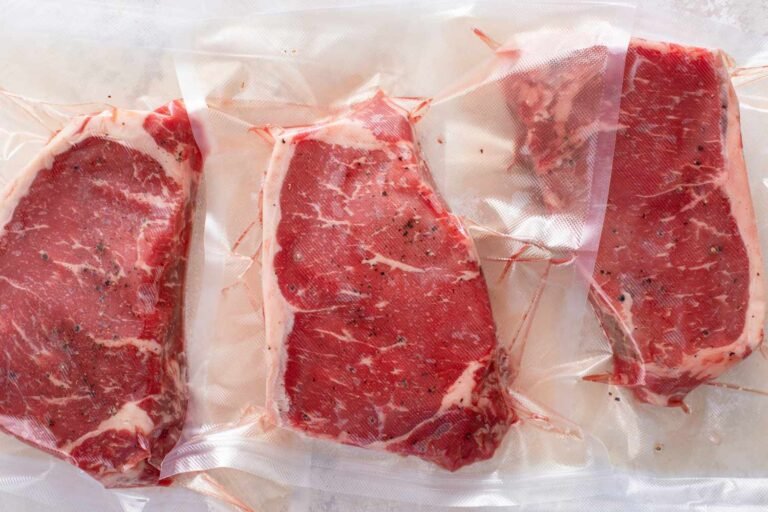
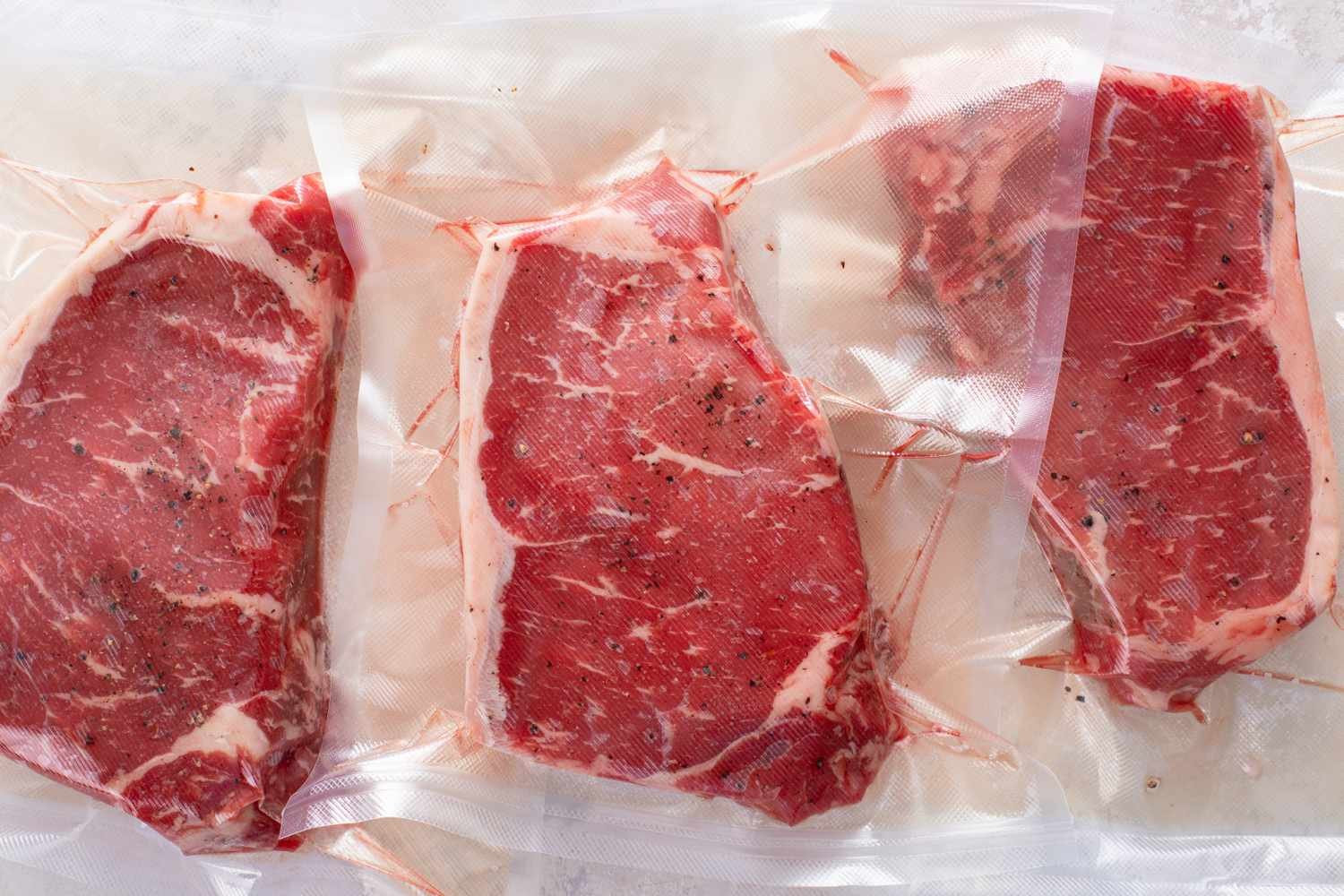
The products were vacuum-sealed and packed in cardboard boxes for shipment. Consumers may not always see the original A&D Foods labeling on individual packages because retailers may have applied their own price and safe-handling stickers.
That makes the false establishment number particularly important for identifying potentially affected products. FSIS said products bearing “EST. 1363” should be treated as part of the recall.
Where the meat was distributed
The recalled meat was shipped to A&D Foods in Georgia and then distributed to retail and restaurant locations nationwide.
Because some retailers may have applied their own labels to individual packages, consumers should not rely solely on a store’s name or the appearance of a package when determining whether meat is affected.
FSIS said it is continuing recall effectiveness checks and may update the product list and distribution information as more information becomes available.
What consumers should do
Consumers who purchased meat covered by the recall should not eat it.
FSIS advises consumers to throw the affected products away or return them to the place of purchase. Restaurants and retailers should not sell or serve the recalled meat.
The agency warned that food produced without federal inspection may contain harmful bacteria, undeclared allergens, or other contaminants that could pose health risks.
Anyone who is concerned about a possible illness or injury after consuming the product should contact a healthcare provider.
Consumers with questions about meat, poultry or egg products can contact the USDA Meat and Poultry Hotline at 888-MPHotline (888-674-6854).
What officials are doing next
FSIS said it will conduct recall effectiveness checks to determine whether the company has notified customers and whether the recalled products have been removed from commerce.
The agency may also add products or labels to the recall notice as its investigation and distribution review continues.
The recall is therefore broader than a typical package-specific supermarket recall: the products were distributed through a wholesale channel, and some consumer packages may have been relabeled after reaching retailers.
For consumers trying to determine whether meat in a refrigerator or freezer is affected, the safest approach is to compare the product against the current FSIS recall information rather than relying on the retail sticker alone.
The central issue remains the same: the recalled products were produced without the required federal inspection and carried a false USDA inspection mark. FSIS had reported no confirmed illnesses or injuries linked to the products as of its Sept. 22 announcement.
About The Author