


The debate over a potential ban of TikTok in the United States has resurfaced once again, as lawmakers and security officials renew concerns about the popular social media platform’s ties to China.
Over the past few years, the app has become one of the most widely used social media platforms in the country, especially among younger audiences. With more than 150 million users in the United States, TikTok has transformed how people consume entertainment, news, and online trends.
However, its ownership by the Chinese technology company ByteDance continues to raise national security questions among U.S. policymakers.
Why U.S. Lawmakers Are Concerned
Many lawmakers in Washington argue that TikTok could potentially allow foreign access to sensitive user data or influence the type of content Americans see online.
Critics claim that because ByteDance is based in China, the company could be required under Chinese law to share information with government authorities if requested. Although TikTok has repeatedly denied these allegations, the concerns have kept the issue at the center of political debate.
Several members of Congress have pushed for stricter regulations, and some have suggested that a nationwide ban or forced sale of TikTok’s U.S. operations may be necessary to address the risks.
TikTok’s Response to Security Concerns
TikTok has consistently argued that it protects U.S. user data and operates independently from the Chinese government. The company has also proposed several transparency measures to reassure regulators.
One of these initiatives includes storing American user data on servers within the United States and allowing third-party monitoring of its systems to prevent unauthorized access.
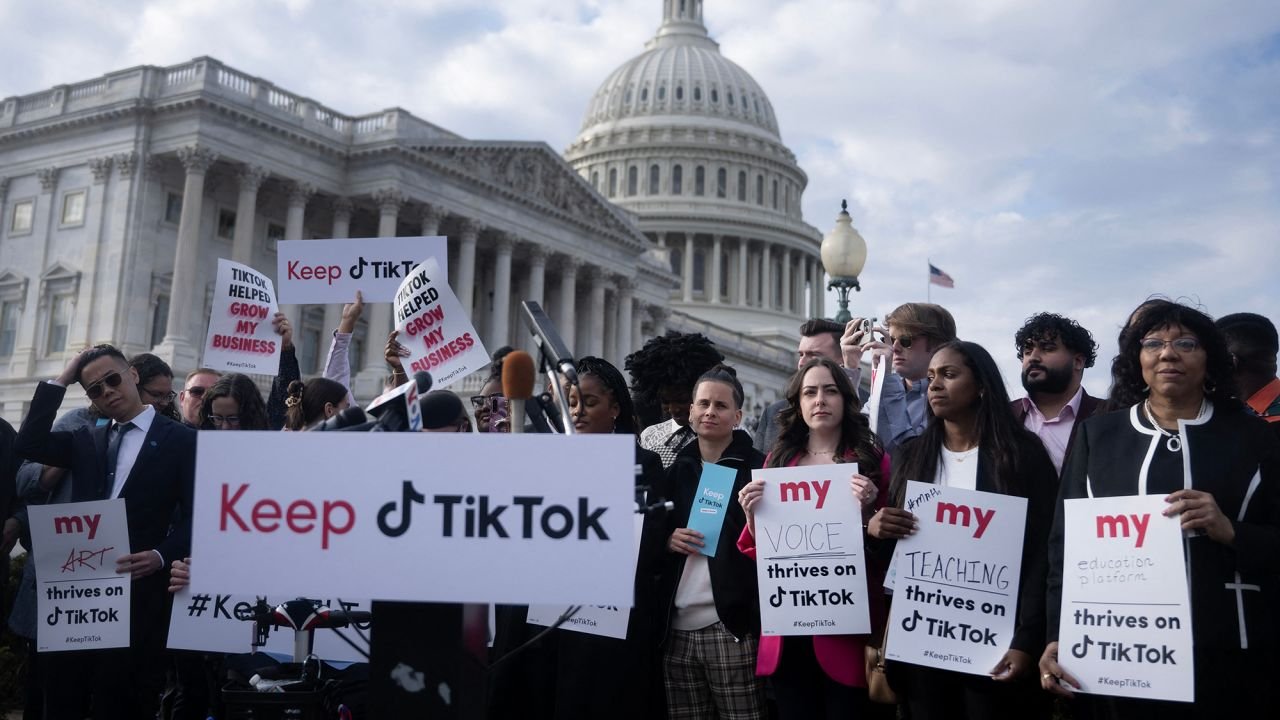
TikTok executives have also emphasized the platform’s economic impact, noting that millions of American creators and small businesses rely on the app for income, marketing, and community building.
Millions of Users Could Be Affected
If the United States eventually moves forward with restrictions or a ban, the decision could affect millions of Americans who use the platform daily.
TikTok has become a powerful tool for content creators, influencers, entrepreneurs, and small businesses. Many users depend on the app for brand promotion, entertainment, and even political engagement.
A potential ban would also raise questions about the broader future of social media regulation in the United States.
A Growing Global Issue
The United States is not alone in raising concerns about TikTok. Several governments around the world have already taken steps to limit the app’s use on official government devices due to cybersecurity risks.
At the same time, supporters of the platform warn that banning an app used by millions could raise concerns about digital freedom, market competition, and government control over online platforms.
What Happens Next?
For now, the future of TikTok in the United States remains uncertain. Lawmakers are expected to continue discussions about potential legislation, data protection rules, and broader regulation of foreign-owned technology platforms.
As the debate continues, the outcome could shape not only the future of TikTok but also how governments around the world approach the regulation of global social media platforms.
About The Author