



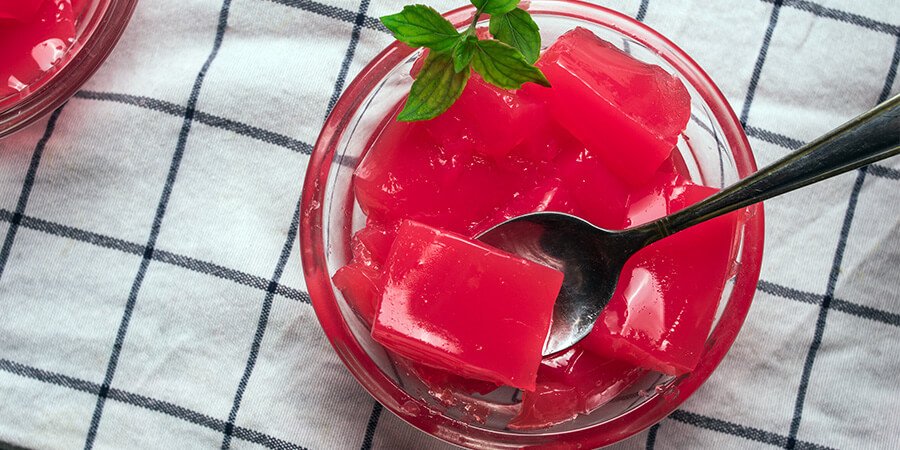
In an era dominated by complex keto macros and intermittent fasting schedules, a surprisingly simple tool is reclaiming its spot in the weight loss community: Gelatin. The “Jello Diet” isn’t about eating nothing but colorful dessert squares; rather, it’s a strategic approach to using the unique properties of gelatin to manage hunger, improve gut health, and lower caloric intake. For those seeking a sustainable way to curb appetite without feeling deprived, the Jello Weight Loss Recipe offers a scientifically backed method to bridge the gap between meals.
What is the Jello diet for weight loss?
The modern “Jello diet” is less a strict diet plan and more a routine built around a low‑calorie, gelatin‑based dessert or drink used as a strategic snack, especially at night. The core idea is to replace high‑calorie, ultra‑processed evening snacks with a bowl or cup of protein‑rich, sugar‑free jello that keeps you satisfied while adding minimal calories.
Key characteristics include:
-
Using unflavored or sugar‑free gelatin as the base for a high‑volume, low‑calorie dessert.
-
Eating it before bed or when cravings hit, rather than eating cookies, chips, or ice cream.
Some routines call this the “gelatin trick” and claim benefits for sleep, cravings, and appetite control, largely due to the amino acid glycine and the low‑calorie profile of gelatin desserts.
Get the Best Gelatin Weight Loss Alternative! Visit the Official Website
The Science of Satiety: How Jello Suppresses Hunger
The primary reason the Jello diet works isn’t magic; it’s gastric mechanics. Weight loss is fundamentally driven by a calorie deficit, but the biggest hurdle to maintaining that deficit is hunger.
1. Gastric Volume and Distension
Gelatin is a hydrocolloid, meaning it absorbs a significant amount of liquid. When you consume a sugar-free Jello mixture, it occupies physical space in the stomach. This triggers “stretch receptors” in the stomach lining, which send signals to the brain that the body is full.
2. The Role of Glycine
Gelatin is composed of approximately 30% glycine, an amino acid that plays a vital role in metabolic health. Research suggests that glycine can help stabilize blood sugar levels, preventing the insulin spikes and subsequent “crashes” that lead to intense sugar cravings.
3. Slowing Down Digestion
Because of its viscous nature, gelatin slows down “gastric emptying.” This means the food you eat stays in your stomach longer, providing a prolonged feeling of fullness (satiety) compared to drinking plain water or eating a high-carb snack.
Core jello weight loss ingredients
Most jello weight‑loss recipes use a small set of simple ingredients designed to provide satiety, flavor, and hormone support with very few calories.
1. Unflavored gelatin (grass‑fed if possible)
-
Unflavored gelatin is the main active ingredient, providing protein and the amino acid glycine, which has been linked to appetite control, gut support, and better sleep quality.
-
A popular “jello weight loss recipe” uses about 1 tablespoon of grass‑fed, unflavored gelatin as the base per serving or batch.
Some human studies suggest that gelatin can suppress hunger more effectively than certain other proteins in the short term and may reduce calorie intake at the next meal, although the long-term weight maintenance benefits are less clear.
Get the Best Gelatin Weight Loss Alternative! Visit the Official Website
2. Zero‑sugar flavoring (lemon, berry, or sugar‑free drink mix)
-
To make the recipe palatable, most versions add lemon juice, berry flavors, or sugar‑free drink mixes instead of sugar.
-
One 3-ingredient “pink gelatin trick” recipe specifically uses unflavored gelatin, plus a zero-sugar lemon or raspberry flavoring, for added taste.
Sugar‑free jello mixes or drink mixes keep calories extremely low while still providing sweetness, which helps people feel less deprived when dieting.
3. Pink Himalayan salt (or sea salt)
-
A widely shared recipe adds about ⅛ teaspoon of pink Himalayan salt to help replenish minerals and support fluid balance and cortisol regulation.
-
Fans of this recipe claim that a small amount of high‑quality salt can support stress hormone balance (especially at night) and contribute to better sleep and fewer cravings, though rigorous clinical data on this exact combo is limited.
4. Optional protein boosters: yogurt or milk
-
Some “gelatin trick” and bariatric jello recipes blend sugar‑free jello with Greek yogurt or other high‑protein yogurt to create a creamy dessert with extra protein.
-
This combination turns basic jello into a higher‑protein, more filling dessert that still remains low in calories, making it attractive for bariatric patients or those on strict calorie-deficient diets.
5. Sweeteners and add‑ons (stevia, vanilla, magnesium)
-
Some variations add stevia or other non‑nutritive sweeteners to increase sweetness without adding sugar or calories.
-
Vanilla extract, citrus zest, or berry extracts are used to enhance flavor and make the dessert more satisfying.
-
A popular variation suggests pairing the nighttime jello dessert with magnesium glycinate for deeper sleep and recovery, though this is more of a wellness recommendation than a core part of the jello itself.
Get the Best Gelatin Weight Loss Alternative! Visit the Official Website
The Signature “Jello Trick” Recipe
For those looking to implement this as a pre-meal hack, here is the most effective formulation:
Ingredients:
-
1 tablespoon Grass-fed Unflavored Gelatin
-
1/2 cup Cold Green Tea (to “bloom” the gelatin)
-
1 cup Boiling Water
-
1 tablespoon Fresh Lemon Juice
-
5 drops Liquid Stevia
Instructions:
-
Bloom: Sprinkle the gelatin over the cold green tea. Let it sit for 2 minutes until it becomes thick.
-
Dissolve: Add the boiling water and stir until all granules have disappeared.
-
Flavor: Stir in the lemon juice and stevia.
-
Set: Pour into a bowl and refrigerate for at least 3 hours.
Strategic Implementation: How to “Diet” with Jello
There are three main ways to incorporate these ingredients into a weight loss plan:
Method A: The Pre-Meal “Pre-Load”
Eat a small bowl of sugar-free Jello 20 minutes before your largest meal (usually dinner). This reduces the amount of food you feel compelled to eat during the meal by up to 20-30%.
Method B: The Late-Night Craving Killer
Instead of reaching for chips or chocolate, eat a serving of Jello. The high glycine content promotes better sleep, while the protein content satisfies the “hand-to-mouth” habit of snacking.
Method C: The “Liquid Jello” Fast
Some people drink the warm gelatin mixture (before it sets) during their intermittent fasting window. While this technically “breaks” a fast due to the protein content, it is often used as a “crutch” to extend the fasting period without suffering from intense hunger pangs.
Sugar‑free Jello vs homemade gelatin: key differences
Both ready‑made sugar‑free jello cups and homemade gelatin recipes can fit into a weight‑loss strategy, but they differ in ingredients, flexibility, and potential nutritional benefits.
Get the Best Gelatin Weight Loss Alternative! Visit the Official Website
Jello‑based options table
| Aspect | Store sugar‑free Jello cups | Homemade gelatin “diet” recipes |
|---|---|---|
| Calories per serving | Around 10 calories per ~100–120 g serving. | Typically 10–40 calories per serving, depending on recipe. |
| Protein | About 1–2 g of protein per serving. | Varies; 1 tbsp gelatin can add more protein, especially when combined with yogurt. |
| Sweeteners | Uses artificial/zero‑calorie sweeteners and flavors. | Can use stevia, monk fruit, or chosen sugar‑free mixes; more control over additives. |
| Flexibility | Ready to eat, fixed flavors and texture. | Fully customizable: can adjust flavor, texture, salt, and protein boosters. |
| “Gelatin trick” style | Works as a low‑calorie dessert, but usually not formulated with pink salt or specific hormone‑focused ideas. | Specifically designed as a weight‑loss ritual with pink salt, glycine focus, and strategic timing. |
Science snapshot: what research says about gelatin and satiety
Marketing around the jello diet often overstates the science, but there is some evidence that gelatin can help with fullness and short‑term energy intake.
-
One study found that participants who ate a gelatin‑based breakfast felt fuller and consumed about 20% fewer calories at lunch compared with those who ate a breakfast made from whey or soy proteins.
-
Another research series showed that gelatin can produce stronger short‑term hunger suppression and less energy intake than some other proteins, but long‑term weight loss outcomes were not significantly superior when calorie and protein intake were controlled.
This suggests that gelatin can be a helpful tool for appetite control within a structured diet, but it is not a standalone cure or magic bullet for obesity.
How to use a jello routine safely and effectively?
To make a jello diet or gelatin trick genuinely supportive rather than problematic, it needs to be integrated thoughtfully into an overall eating pattern.
1. Treat it as a tool, not a full diet
-
Use jello or gelatin desserts as strategic snacks or nighttime treats within a balanced calorie‑deficit plan that includes adequate protein, fiber, and micronutrients from regular meals.
-
Avoid trying to live on jello alone; this can lead to nutrient deficiencies, unsustainable hunger, and rebound overeating.
2. Focus on timing and triggers
-
Consider eating a serving of your gelatin dessert at the time you usually feel the strongest cravings, such as late evening or mid‑afternoon.
-
Keeping pre‑portioned servings in the fridge can make it easier to choose them instead of high‑calorie snacks when willpower is low.
3. Watch your total sweetener load
-
While sugar‑free jello and drink mixes keep calories low, large amounts of artificial sweeteners may worsen cravings for some people, even if they do not add calories directly.
-
If possible, experiment with stevia‑ or monk‑fruit‑based recipes to see whether they better support your appetite and taste preferences.
4. Personalize for bariatric or medical needs
-
Bariatric recipes often incorporate Greek yogurt or similar protein‑rich ingredients into the gelatin for more satiety while remaining easy to digest.
-
People who have had weight‑loss surgery or have conditions like diabetes should always confirm any jello diet or gelatin trick with their dietitian or doctor to ensure it fits their specific plan and medication schedule.
Get the Best Gelatin Weight Loss Alternative! Visit the Official Website
Conclusion: A Sustainable Hack for the Modern World
The Jello Diet for Weight Loss is a tool, not a miracle. By focusing on high-quality Jello weight loss ingredients—like grass-fed gelatin and natural antioxidants—you can turn a simple dessert into a powerful ally in your fitness journey.
It addresses the psychological and physiological roots of overeating by providing volume, protein, and blood-sugar stability. If you are struggling with portion control or late-night hunger, the “Gelatin Trick” might be the missing piece of your weight loss puzzle.
Quick FAQs about the Jello diet
1. Does the Jello diet really burn fat?
The jello diet supports fat loss indirectly by helping you reduce calorie intake through improved satiety, fewer cravings, and low‑calorie snack substitution, but it does not burn fat on its own.
2. Can you eat Jello every day for weight loss?
Many routines use a daily gelatin dessert, especially at night, but it should complement a balanced diet with adequate protein, fiber, and micronutrients, rather than replace whole meals.
3. Is store‑bought sugar‑free Jell-O enough, or do you need the 3‑ingredient trick?
Store‑bought sugar‑free jello can play a similar role as a low‑calorie dessert, but 3‑ingredient recipes with unflavored gelatin, pink salt, and controlled flavoring are designed specifically around protein, glycine, and mineral support, and can be tailored to your needs.
4. Is the Jello diet safe for everyone?
Most healthy adults can safely include sugar‑free jello or gelatin desserts in moderation, but individuals with specific medical conditions, post‑surgery restrictions, or concerns about sweeteners should seek personalized guidance from a health professional.
About The Author