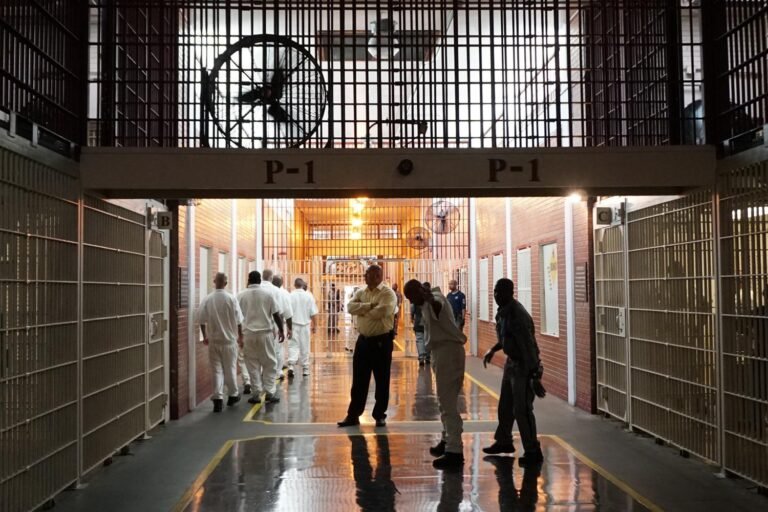


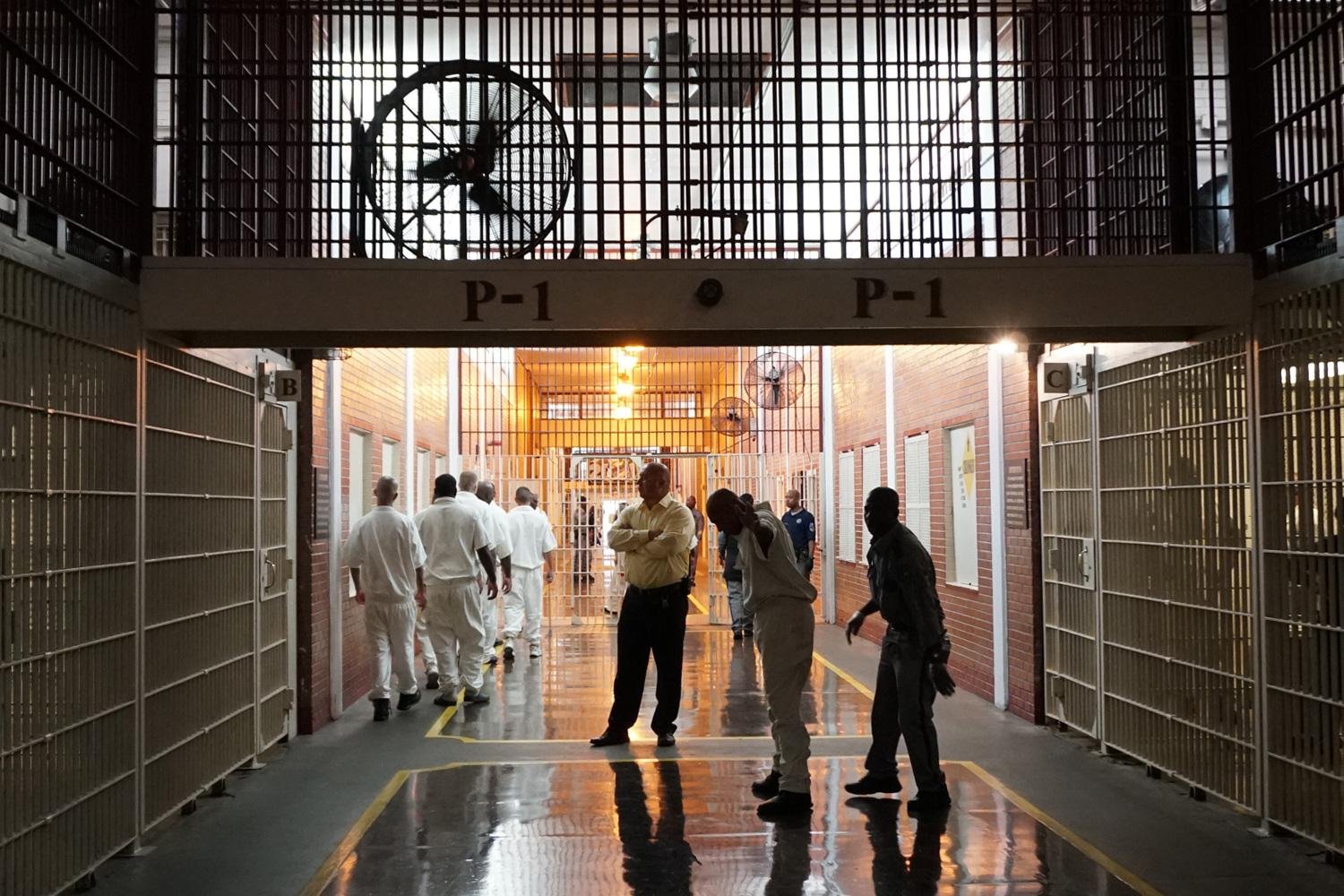
AUSTIN, Texas — A federal judge has ordered Texas to install air conditioning throughout its state prison system by Dec. 31, 2029, finding that extreme heat in facilities without adequate cooling violates the constitutional protection against cruel and unusual punishment.
U.S. District Judge Robert Pitman of the Western District of Texas issued the 150-page order Tuesday, Sept. 22, after a federal trial earlier this year examined temperatures, heat-related injuries and deaths, and the Texas Department of Criminal Justice’s efforts to protect incarcerated people from extreme heat.
Pitman ordered TDCJ to immediately develop and implement a plan for installing air conditioning in every Texas prison. The agency must report its progress to the court every six months, with its first report due March 22, 2027.
The ruling does not leave Texas with a deadline simply to begin construction. The judge specifically required the installation work to be completed no later than Dec. 31, 2029.
Only part of the prison system currently has full air conditioning
The order comes as Texas continues a multiyear effort to expand the number of prison beds with climate control.
TDCJ’s own figures, updated Sept. 1, show that 38 units were fully air-conditioned and 53 were partially air-conditioned. The agency reported 53,676 existing cool beds, with another 23,738 beds under construction, 7,348 in procurement and 9,356 in design.
TDCJ oversees 86 state prisons, according to reporting by KUT, while the agency’s broader facility count is 104. KUT reported that roughly two-thirds of the state’s incarcerated population lives without air conditioning.
The agency says it has been expanding cooling capacity for years. Its current construction program is expected to bring the total number of air-conditioned beds to about 90,000 when projects already funded or underway are completed.
TDCJ also says the number of cool beds is expected to reach about 60,000 by the end of 2026 and 90,000 in 2028.
Judge found current heat protections insufficient
Texas has relied on a combination of measures at prisons without full air conditioning, including additional water, cold showers, fans, cooling towels and designated respite areas.
Pitman concluded those measures had not adequately addressed the risks created by extreme heat.
The judge wrote that TDCJ’s response had failed to prevent continuing heat-related injuries and deaths and found that the agency’s failure to establish a meaningful systemwide timetable for installing air conditioning amounted to deliberate indifference under the Eighth Amendment analysis.
The case followed years of litigation over prison temperatures. A federal trial was held in Austin from March 30 through April 9, 2026, with testimony from dozens of witnesses and hundreds of exhibits, according to reporting on the court’s findings.
Pitman had previously ruled in 2025 that excessive heat in Texas prisons was likely unconstitutional punishment. At that stage, however, he did not order systemwide installation of temporary air conditioning, concluding that temporary systems would not provide a permanent remedy.
The latest ruling followed the full trial and establishes a permanent injunction.
Heat-related deaths were a central issue
Evidence about deaths and serious health effects from extreme heat was a major part of the litigation.
TDCJ has acknowledged 23 heat-related deaths in its facilities between 1998 and 2012. Pitman previously described that figure as likely an underestimate. In the latest proceedings, the court also found credible evidence that at least nine incarcerated people died from extreme heat between 2023 and 2025, according to The Texas Tribune’s review of the ruling.
The state has disputed some claims connecting individual deaths to prison heat, arguing in some cases that other medical conditions or drug overdoses could have contributed to deaths.
The court nevertheless concluded that the evidence showed a systemwide constitutional problem in prisons without adequate cooling.
The ruling also considered evidence that people who are not classified as medically vulnerable can face risks from prolonged exposure to extreme heat, while certain medical conditions and medications can increase vulnerability.
TDCJ says it will appeal
The Texas Department of Criminal Justice said it disagrees with the court’s finding and plans to appeal.
In a statement reported by KUT, TDCJ said it “respectfully disagrees with the Court’s ruling that TDCJ is deliberately indifferent” and pointed to its existing heat-mitigation efforts and ongoing construction projects.
The department has also said its heat procedures are designed to protect incarcerated people and employees during the hottest part of the year. TDCJ’s enhanced heat procedures operate from April 15 through Oct. 31.
An appeal could bring the case before the U.S. Court of Appeals for the 5th Circuit. The district court’s order remains the current ruling unless it is stayed, modified, or overturned through further proceedings.
The cost could reach $1.5 billion
The financial question is another major issue surrounding the order.
TDCJ has estimated that installing air conditioning throughout the prison system could cost approximately $1.5 billion, according to reporting based on the litigation.
The agency’s legislative appropriations request for the 2028-29 budget cycle includes $289 million specifically for prison air-conditioning projects. It has separately requested $591.8 million for expansion dormitories equipped with climate control. TDCJ said those combined projects would create more than 21,000 additional cool beds.
The amount is considerably different from a larger two-phase plan discussed during the litigation. According to The Texas Tribune, TDCJ had previously estimated that it could obligate $774.3 million during the 2028-29 budget cycle for air-conditioning work, followed by another $730.7 million in the 2030-31 cycle.
Pitman specifically addressed the state’s funding concerns in the new order, stating that financial considerations would not constitute a legitimate reason for failing to comply with the court’s deadline.
What happens next
The immediate requirement is for TDCJ to develop and implement a systemwide installation plan.
The agency’s first formal progress report to the federal court is due March 22, 2027. That report must address the planned construction, procurement and design work and identify the funding TDCJ intends to seek from the Texas Legislature. Later reports will track progress toward the deadline.
TDCJ is also scheduled to appear before the Texas Legislative Budget Board on Sept. 28 to discuss its funding request, according to The Texas Tribune.
For now, the legal dispute remains active. Texas says it will appeal, while the federal district court’s order sets Dec. 31, 2029, as the deadline for completing air-conditioning installation across the state’s prison system.
The case is Texas Citizens United for Rehabilitation of Errants, Inc. v. Lumpkin, No. 1:23-cv-01004, in the U.S. District Court for the Western District of Texas.
About The Author