


If you have spent any time scrolling through food blogs, TikTok, or Instagram reels over the past few years, you have undoubtedly been hypnotized by the “jiggle.” It is an undeniable, visually satisfying wobble that has captivated millions. We are, of course, talking about the explosion of the Korean gelatin recipe trend.
From hyper-aesthetic pastel fruit jellies to savory, soy-drenched acorn squares, South Korea’s love affair with jelly textures has officially gone global. But what is it about these bouncy, translucent treats that has the whole world obsessed? Is it the ASMR-like visual satisfaction? The low-calorie health claims? Or simply the fact that they taste incredibly refreshing?
The truth is a fascinating blend of ancient culinary tradition and modern internet virality. Today, we are diving deep into the phenomenon of Korean jellies, uncovering their rich historical roots, debunking the diet myths surrounding them, and giving you the ultimate recipes to recreate this magic in your own kitchen.
From the Mountains to the Metropolis: The History of Korean Muk
Long before neon-colored, fruit-filled gelatin cups took over TikTok’s food channels, Korea had a deep, historical reverence for jelly. However, traditional Korean jellies—known collectively as muk (묵)—do not rely on animal-derived gelatin at all. Instead, they are a marvel of plant-based ingenuity, utilizing starches extracted from nuts, beans, and grains.
The Survival Food That Became a Delicacy
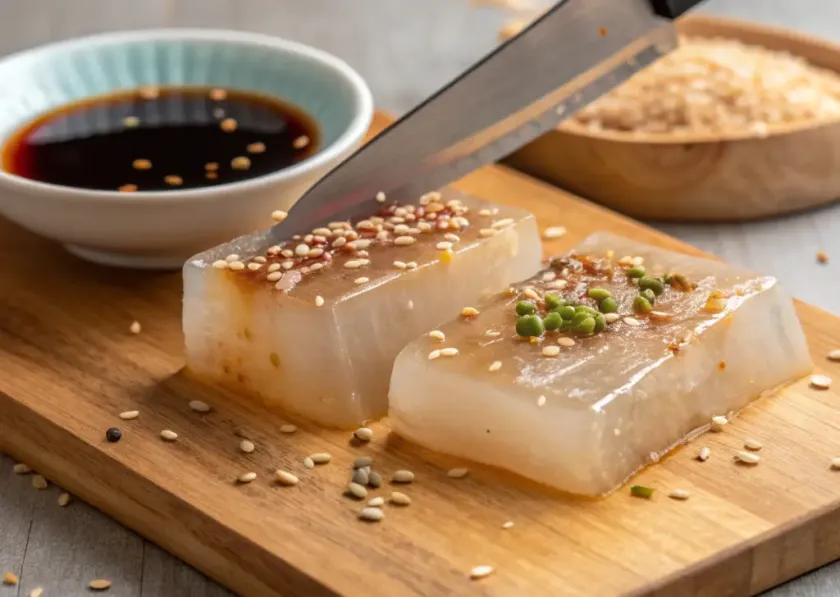
The most famous of these is Dotori-muk (도토리묵), or acorn jelly. Historically, during times of famine or harsh winters in mountainous regions, Koreans would forage for fallen acorns. Acorns are incredibly bitter and toxic raw due to high levels of tannins. To make them edible, our ancestors developed a painstaking process of grinding the acorns, leaching the tannins out with water over several days, and harvesting the pure, mild starch left behind.
When this acorn starch is boiled with water and left to cool, it solidifies into a firm, bouncy, and slightly nutty jelly. For centuries, this was a survival food. Today, it is a beloved banchan (side dish) served in high-end Korean BBQ restaurants and health-conscious cafes around the globe.
A Spectrum of Starches
But acorn isn’t the only star of the show. The traditional Korean jelly roster includes:
-
Memil-muk (메밀묵): Made from buckwheat starch, this jelly has a slightly grainier texture and an earthy flavor. It was famously sold by late-night street vendors in mid-20th century Korea, their calls echoing through the quiet streets as a nostalgic winter snack.
-
Nokdu-muk (녹두묵) / Cheongpo-muk (청포묵): Made from mung bean starch, this variation is bright white, incredibly smooth, and often dyed yellow with gardenia seeds to create Hwangpo-muk, a staple in the famous royal dish, Bibimbap from Jeonju.
What makes traditional muk so unique is that it is almost always served savory. The jelly itself acts as a blank, textural canvas, soaking up the aggressive, vibrant flavors of its accompaniments—usually a dressing made of soy sauce, sesame oil, garlic, and fiery gochugaru (Korean red chili flakes).
The Modern Shift: Sweet Gelatin and the “Jelly Milk” Viral Craze
While traditional starch-based jellies hold a firm place in the cultural heart, the modern Korean gelatin trend leans heavily into the sweet, the colorful, and the caffeinated.
Fast forward to the 2020s, and the internet became obsessed with café culture in Seoul. Korean cafes are renowned for pushing the boundaries of aesthetics, and they quickly realized that translucent, shimmering desserts play perfectly to the camera. This birthed the modern era of the Korean gelatin recipe, utilizing agar-agar (a plant-based gelatin derived from seaweed, known as kanten or hanten) and standard unflavored animal gelatin.
The Strawberry Jelly Milk Phenomenon
Perhaps the most viral iteration of this trend is the Korean Jelly Milk Drink. Emerging as a massive trend on platforms like YouTube and Instagram, this beverage is a textural masterpiece.
The concept is deceptively simple: a vibrantly colored, fruit-flavored gelatin (most commonly strawberry or peach) is allowed to set at the bottom of a tall, aesthetic glass. Once firm, it is vigorously mashed with a spoon into glistening, bite-sized shards. Cold, creamy milk is then poured over the top, sometimes accompanied by a scoop of vanilla ice cream or a splash of rose syrup.
The appeal is multi-sensory. You have the stark visual contrast of the bright jelly bleeding slightly into the stark white milk. You have the auditory satisfaction of the ice clinking against the glass. And finally, you have the drinking experience—using a wide boba straw to slurp up creamy milk laced with sudden, sweet bursts of chewy fruit jelly. It is a dessert and a beverage all in one, perfectly engineered for the social media age.
The Hwachae Evolution
Another modern adaptation is the evolution of Hwachae (traditional Korean fruit punch). Historically made with honeyed water, fruits, and edible flower petals, modern Gen-Z iterations have swapped the liquid base for Sprite or strawberry milk, and added massive blocks of fruit-filled gelatin, popping boba, and ice. The result is a chaotic, beautiful, and refreshing bowl of textures that is tailor-made for summer parties.
Fact vs. Fiction: The “Korean Gelatin Weight Loss Trick”
As with any food trend that gains global traction, the diet industry quickly co-opted the Korean gelatin recipe. Over the past year, search engines have been flooded with queries like “Dr. Oz gelatin trick” or “Japanese and Korean gelatin weight loss recipe.”
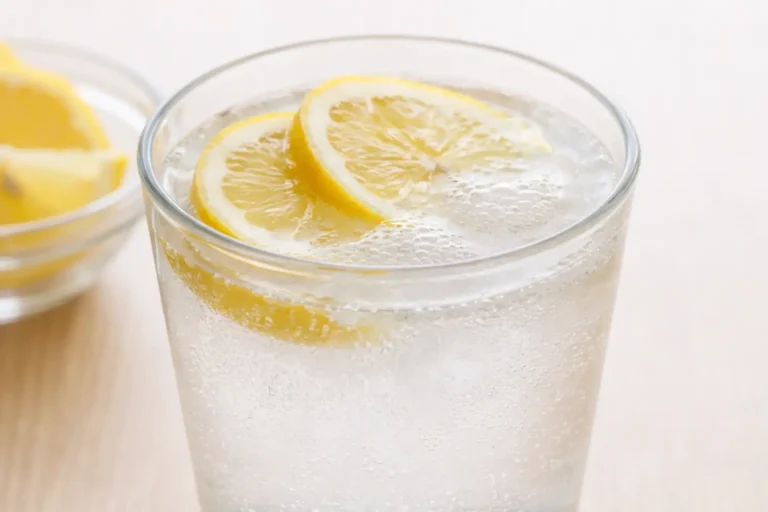
The internet rumor mill began promoting a narrative that drinking a simple concoction of plain gelatin, hot water, and lemon juice before bed would “melt belly fat” or act as a miraculous bariatric shortcut.
The Empathic Truth
We understand the appeal. When you are tired, frustrated with complex diets, and looking for a simple solution to late-night cravings, a warm, two-ingredient drink sounds like a godsend. However, as responsible food journalists, it is crucial to ground these trends in reality.
Gelatin does not magically melt fat. Here is what the “trick” actually does, and why it works for some people:
-
Satiety and Protein: Gelatin is essentially cooked-down collagen. It is a protein. Consuming a protein-rich, warm liquid takes up physical space in your stomach and takes time to digest. This can create a feeling of fullness.
-
Behavioral Redirection: For many, the hurdle in weight management is mindless nighttime grazing. Replacing a bowl of ice cream or a bag of chips with a structured, low-calorie, 10-calorie gelatin cup breaks the habit loop. It gives your mouth something to do without heavily impacting your daily caloric intake.
-
Hydration: Many of these recipes require you to drink a cup of hot water with the gelatin, bumping up your evening hydration, which is often mistaken for hunger.
If you enjoy a simple, lemon-ginger gelatin cup to help you wind down and avoid the pantry at 9 PM, that is a fantastic, healthy habit. Just beware of the sensationalized headlines promising overnight miracles.
“The jello and baking soda diet or the Korean gelatin trick can be surprisingly useful if you treat it like a simple dessert swap and not a miracle cure. Keep the gelatin part fun, consistent, and easy.” — No Glu Bread Health Blog
Deep Dive Recipe 1: Authentic Korean Acorn Jelly Salad (Dotori-muk Muchim)
To truly appreciate the Korean jelly craze, you must start at the roots. Making Dotori-muk from scratch (using pre-made acorn starch powder) is a rite of passage. It is incredibly cheap, vegan, low in calories, and provides a sophisticated, earthy flavor profile that modern sweet jellies lack.
This recipe yields a firm, savory jelly that we will toss in a classic, spicy soy vinaigrette.
Ingredients
For the Acorn Jelly (Muk):
-
1 cup Korean Acorn Starch Powder (available at most Asian grocers or online)
-
5 ½ to 6 cups cold water
-
1 teaspoon fine sea salt
-
1 tablespoon toasted sesame oil
For the Salad and Dressing:
-
3 tablespoons soy sauce
-
1 tablespoon rice vinegar
-
1 tablespoon water
-
1 tablespoon gochugaru (Korean red chili flakes)
-
1 tablespoon sugar or honey
-
1 clove garlic, finely minced
-
1 scallion, finely chopped
-
1 teaspoon toasted sesame seeds
-
1 teaspoon toasted sesame oil
-
A handful of fresh greens (chrysanthemum leaves, perilla/shiso leaves, or spring mix)
-
½ cucumber, sliced into half-moons
Step-by-Step Instructions
1. Mix the Base:
In a large, heavy-bottomed pot (do not turn the heat on yet), combine the 1 cup of acorn starch and the 6 cups of cold water. Whisk vigorously until the powder is completely dissolved. Let it sit for about 10 minutes to allow the starch to hydrate.
2. The Continuous Stir:
Turn the heat to medium-high. You must stir the mixture constantly with a wooden spoon or a whisk. Do not walk away. As the water heats up, the starch will suddenly begin to coagulate, forming lumpy, translucent blobs.
3. The Simmer and Thicken:
Once it starts to thicken and bubble, immediately reduce the heat to medium-low. Continue to stir vigorously to smooth out any lumps. The mixture will turn from a watery beige liquid into a thick, glossy, dark-brown paste—resembling hot volcanic mud. Add the salt and sesame oil, stirring them into the thick paste. Let it cook on low heat, popping and bubbling, for another 5 to 8 minutes. This ensures the raw starch flavor is cooked out.
4. Set the Jelly:
Pour the thick, hot mixture into a square glass or silicone container. Tap the container firmly on the counter a few times to release any trapped air bubbles and smooth the top. Let it sit uncovered at room temperature for about 2 to 3 hours until completely cool and firm. Do not put hot jelly in the fridge, as it will alter the texture.
5. Prepare the Dressing:
While the jelly sets, whisk together the soy sauce, rice vinegar, water, gochugaru, sugar, minced garlic, scallion, sesame seeds, and sesame oil in a small bowl.
6. Assemble and Serve:
Once the acorn jelly is firm to the touch, gently turn the container upside down onto a cutting board. It should slide right out. Using a wet knife (or a crinkle-cut knife for traditional aesthetics), slice the jelly into domino-sized rectangles.
Arrange the jelly slices on a plate over a bed of your chosen greens and cucumber. Spoon the spicy, savory dressing generously over the top of the jelly. Serve immediately.
Deep Dive Recipe 2: The Viral Strawberry Korean Jelly Milk
If you are looking for the sweet, aesthetic side of the Korean gelatin recipe trend, this is it. It is ridiculously easy, perfect for serving to guests, and a guaranteed hit with kids and adults alike.
Ingredients
For the Jelly:
-
1 packet (approx. 3 tablespoons) of strawberry-flavored gelatin dessert mix (or substitute with Agar-Agar powder and pureed strawberries for a vegan/natural route)
-
½ cup boiling water
-
½ cup cold water
For the Drink:
-
2 cups whole milk (or oat milk for a creamy dairy-free option)
-
2 tablespoons sweetened condensed milk or strawberry syrup
-
1 cup of ice cubes
-
Fresh strawberries, finely diced for garnish
Optional: 1 scoop of premium vanilla bean ice cream
Step-by-Step Instructions
1. Bloom and Dissolve:
In a heat-proof measuring cup, pour the powdered strawberry gelatin. Add the ½ cup of boiling water and whisk vigorously for at least 2 minutes. Ensuring the gelatin is completely dissolved is crucial; otherwise, you will end up with rubbery clumps at the bottom of your glass.
2. Cool it Down:
Once completely dissolved and clear, stir in the ½ cup of cold water.
3. The Setting Phase:
Divide the liquid gelatin mixture evenly into two tall, clear, aesthetic drinking glasses. You want the jelly to fill about the bottom quarter of the glass. Carefully transfer the glasses to the refrigerator and let them set for 2 to 3 hours, or until completely firm.
4. The “Mash”:
Once the jelly is set, remove the glasses from the fridge. Take a long spoon and aggressively stab and mash the jelly inside the glass. You are aiming for a crushed, rustic texture—a mix of small shards and larger chunks.
5. Build the Beverage:
Add a handful of ice cubes directly on top of the mashed jelly. In a separate small pitcher, whisk together the cold milk and the sweetened condensed milk (or syrup) until blended.
6. The Pour:
Gently pour the sweetened milk over the ice and jelly. Watch as the pink hues bleed slightly into the white milk, creating a gorgeous marble effect. Top with a spoonful of finely diced fresh strawberries.
7. Serve:
Serve immediately with a wide boba straw and a long spoon. Encourage the drinker to mix the jelly upward into the milk as they sip!
The Nutritional Breakdown: Agar vs. Gelatin vs. Starch
As you dive into the world of Korean jelly making, you will encounter three primary setting agents. Understanding the difference is key to mastering the culinary techniques and knowing what you are putting into your body.
| Setting Agent | Source | Texture | Nutritional Highlights | Best Used For |
| Animal Gelatin | Collagen from animal bones/skin | Bouncy, melt-in-the-mouth, elastic | High in protein, contains amino acids that support joint and skin health. Low-calorie if unsweetened. | Milk drinks, diet-friendly “weight loss trick” cups, and classic Jell-O style desserts. |
| Agar-Agar (Kanten) | Red Algae / Seaweed | Firm, brittle, breaks cleanly, does not melt at room temp | Vegan, incredibly high in dietary fiber (up to 80%), zero calories, and promotes digestive health. | Traditional fruit jellies (Yangmyeang), vegan desserts, and structured molds. |
| Acorn/Mung Bean Starch | Foraged nuts / Legumes | Chewy, dense, opaque | Vegan, complex carbohydrates, and contains trace minerals. Acorn starch specifically is low on the glycemic index. | Traditional savory Muk, side dishes, and salads. |
The Expert Perspective
We spoke to clinical dietitian Sarah Jenkins about the sudden resurgence of these ingredients.
“What we are seeing is a fascinating collision of aesthetics and functional eating,” Jenkins explains. “People are drawn to the Korean jelly milk trend because it looks great on a screen. But simultaneously, older generations and health-conscious eaters are rediscovering acorn and mung bean jellies because they are genuinely fantastic volume foods. You can eat a massive plate of Dotori-muk salad for under 150 calories, and the complex starches keep your blood sugar incredibly stable compared to eating a plate of pasta.”
She also adds a note of caution regarding the sweet variations: “If you are using commercial flavored gelatin packets for the milk drinks, be mindful of the sugar content. A single serving can sometimes pack more sugar than a can of soda. I always recommend my clients use unflavored gelatin or agar-agar, and sweeten it naturally with real fruit juice or a touch of honey.”
The Jiggly Future of Culinary Exploration
The Korean gelatin recipe trend is far more than a passing internet fad. It is a gateway into a broader understanding of texture in food. In Western cuisine, we often prioritize the crunch, the crisp, and the tender. But in Korean, Japanese, and wider Asian culinary traditions, the “Q texture”—a specific type of bouncy, chewy, resistant yielding—is highly prized.
By bringing these jellies into our home kitchens, we aren’t just making a viral TikTok video; we are expanding our culinary vocabulary. We are learning how to manipulate starches and proteins to create satisfying, low-waste, and highly customizable foods.
Whether you decide to spend a quiet Sunday afternoon stirring a pot of earthy, historic acorn starch, or you choose to mash up some neon strawberry jelly with your kids for an after-school milk treat, the world of Korean jellies offers endless room for creativity.
It is a reminder that food, at its best, should be a little bit playful, a little bit historical, and always incredibly satisfying.
About The Author