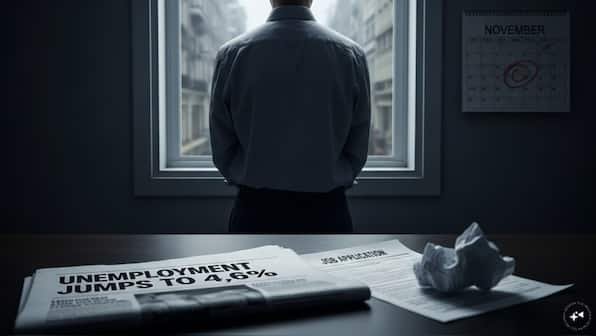



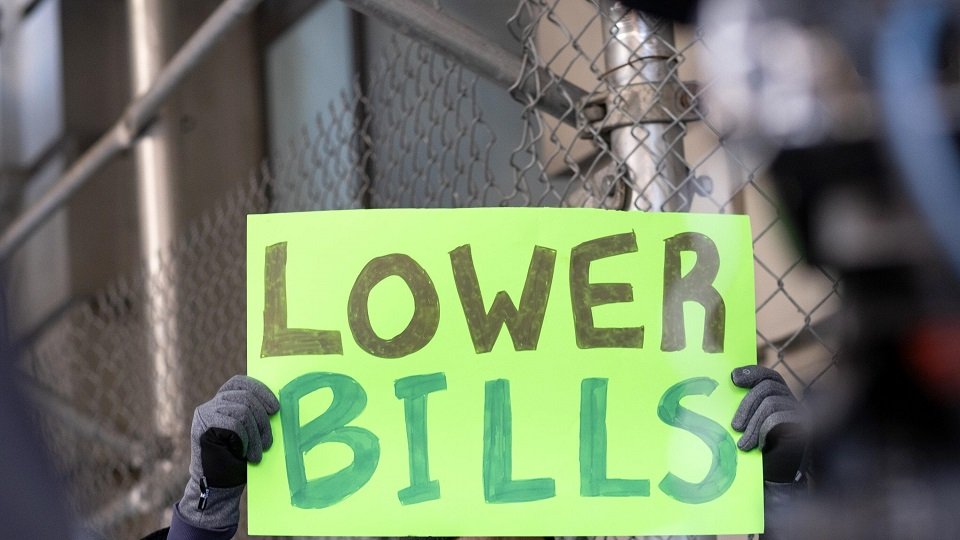
February 24, 2026 | Washington, D.C. — Government officials and central bankers are celebrating a return to normal inflation levels, but across the United States, the mood on Main Street remains distinctly sour. From the bustling suburbs of Atlanta to the rural communities of Ohio, American families are voicing a shared frustration: the math simply is not adding up.
Despite official reports showing that the Consumer Price Index (CPI) has stabilized near the Federal Reserve’s target rate, household budgets remain under severe stress. This widening disconnect between macroeconomic data and the daily financial reality of average citizens has become the defining economic paradox of early 2026. While Washington points to charts showing a stabilized economy, food banks report steady lines, and credit card debt has surged past previous historical records. Understanding this gap requires looking beyond the headline inflation number to examine the lasting, cumulative damage done to purchasing power over the last four years, and why relief feels entirely out of reach for millions of workers.
Main News: The Reality of the 2026 Economy
The narrative coming out of the Bureau of Labor Statistics over the past few quarters has been largely triumphant. Year-over-year inflation has cooled from its 2022 peak of over 9% down to a much more manageable 2.4%. However, recent consumer sentiment surveys paint a starkly different picture.
Key developments over the last several months highlight this ongoing tension:
-
Record Consumer Debt: In late January 2026, the Federal Reserve Bank of New York reported that total household debt spiked, driven largely by credit card balances, which have now become a primary crutch for paying basic utilities and grocery bills.
-
Retail Spending Shifts: Major discount retailers and grocery chains announced in their Q1 earnings calls that consumers are aggressively trading down, opting for store brands and delaying purchases of non-essential goods.
-
Persistent High Costs in Services: While the price of durable goods like electronics and used cars has dropped, essential services—specifically auto insurance, healthcare, and property taxes—saw their highest consecutive annual increases in over a decade.
Background and Context
The widespread public frustration stems from a fundamental misunderstanding of what “cooling inflation” actually means. The current economic environment is experiencing disinflation, which means the rate at which prices are going up has slowed. It is not experiencing deflation, where prices actually fall back to their pre-pandemic levels.
Consider the reality of cumulative inflation. A basket of groceries that cost $100 in 2019 rose to approximately $125 by 2024. Even with inflation now “tamed” at a healthy 2%, that same basket now costs roughly $127.50. The prices did not go down; they simply stopped climbing as rapidly.
Furthermore, the Federal Reserve’s primary tool to fight that inflation—raising interest rates—has created a secondary crisis. Mortgage rates remain significantly higher than they were half a decade ago, essentially locking an entire generation of prospective homebuyers out of the market and keeping rent prices exceptionally rigid. Similarly, the interest rates on credit cards and auto loans have heavily burdened the middle class, meaning a larger portion of their monthly paycheck is evaporating just to service debt.
Expert Opinions or Industry Reaction
Financial analysts and labor economists note that the “vibecession”—a term coined to describe the disconnect between a statistically strong economy and poor consumer sentiment—is entirely justified when looking at balance sheets.
“We are looking at an economy that survived the storm, but the houses are still severely waterlogged,” explains Dr. Marcus Thorne, a senior macroeconomic analyst at a leading Wall Street advisory firm. “Wages have indeed grown over the last couple of years, but for the bottom 60% of earners, that wage growth has not fully eclipsed the massive 20% to 25% cumulative price surge we saw on non-discretionary items like food and shelter.”
Industry leaders are adapting to this strained consumer. Supermarket executives recently noted that promotional pricing and discounting are returning to 2019 levels as companies fiercely compete for the shrinking disposable income of the American worker.
Impact on People, the Economy, and Industry
The ripple effects of this prolonged financial squeeze are vast and multifaceted:
-
Impact on Citizens: Savings rates have plummeted. Many Americans are taking on second jobs in the gig economy or drawing down retirement accounts early just to cover emergency expenses, leaving them highly vulnerable to sudden economic shocks.
-
Economic Implications: Consumer spending accounts for nearly 70% of the US GDP. If households dedicate the bulk of their income to debt servicing and basic survival, spending on travel, dining, and entertainment will contract, potentially slowing broader economic growth.
-
Market Implications: Wall Street has begun separating corporate winners and losers based on their target demographics. Companies catering to high-income earners continue to post record profits, while businesses reliant on lower-to-middle-income consumers are seeing margin compressions.
-
Political Implications: As the 2026 midterm elections approach, the cost of living remains the undisputed priority for voters. Politicians attempting to campaign on a “recovered economy” are facing intense backlash from constituents who feel poorer today than they did five years ago.
Future Outlook
Looking ahead to the remainder of 2026 and into 2027, the path to genuine financial relief for the average American is likely to be a slow one.
Economists anticipate several potential scenarios:
-
The Wage Catch-Up: Historically, periods of high inflation are followed by several years where wage growth outpaces inflation. If the labor market remains resilient, worker paychecks may organically close the affordability gap, though this process will take time.
-
Targeted Rate Cuts: The Federal Reserve is expected to execute cautious, incremental interest rate cuts throughout the year. This should gradually lower the cost of borrowing, offering some relief to those holding variable-rate debt or looking to finance a vehicle.
-
Housing Market Stagnation: Experts predict housing affordability will remain the stickiest issue. Without a massive influx of new housing supply, rent and home prices are unlikely to drop significantly, keeping a major burden on household finances.
Conclusion
The narrative that the US economy has achieved a “soft landing” may be technically accurate for policymakers, but it offers little comfort to the millions of Americans navigating a radically altered cost of living. The reality of 2026 is that the inflation fire has been extinguished, but the structural damage to purchasing power remains. Until real wages meaningfully surpass the cumulative price hikes of the early 2020s, and borrowing costs normalize, the American middle class will continue to feel the heavy weight of an economy that demands more from their paychecks every single month. Recognizing this persistent struggle is essential for both market forecasters and lawmakers as they navigate the complexities of this post-inflationary era.
About The Author