


The global energy map is being redrawn in real-time, and the ink is looking increasingly volatile. As we move through March 2026, the Iran conflict has shifted from a simmering regional tension into a full-blown systemic shock that is rattling every corner of the global economy. We aren’t just talking about a spike at the gas pump anymore; we are witnessing a fundamental breakdown of the “just-in-time” energy delivery system that the world has relied on for half a century.
With Brent crude stubbornly hovering between $110 and $125 a barrel, the financial pressure is immense. But the real story isn’t just the price—it’s the realization that the world’s most vital energy artery, the Strait of Hormuz, is no longer the “guaranteed” passage we once thought it was.
What Happened: The 2026 Flashpoint
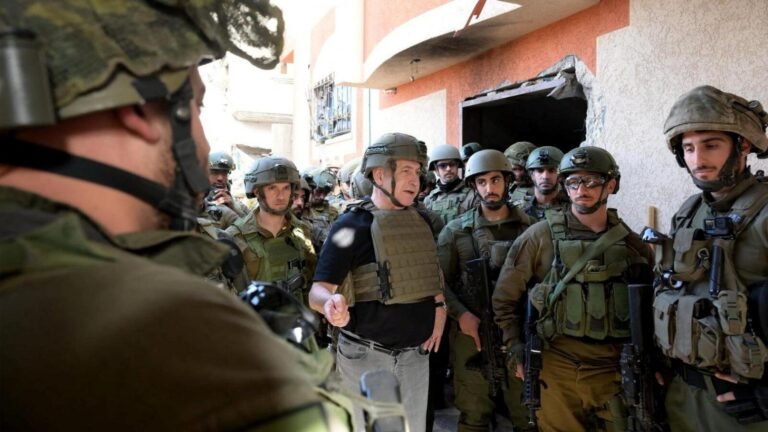
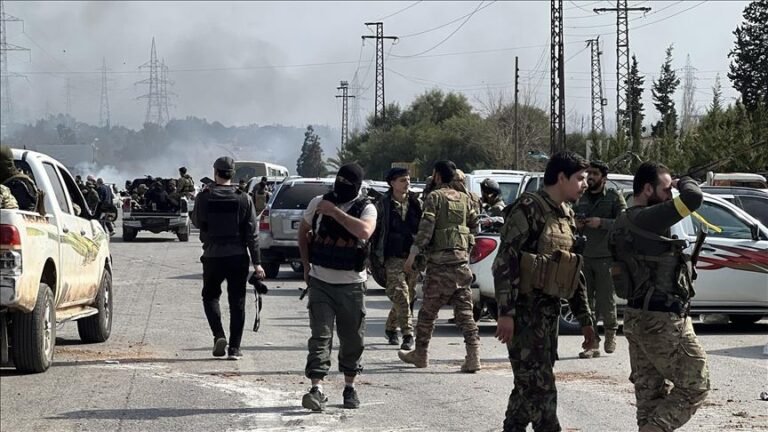
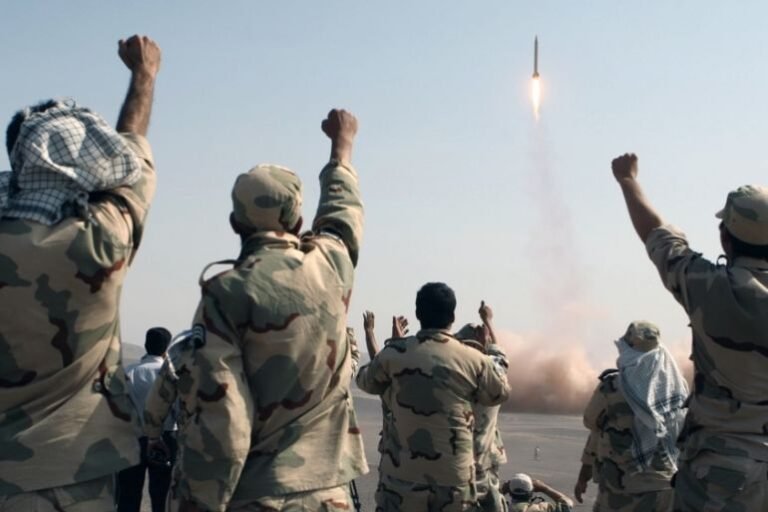
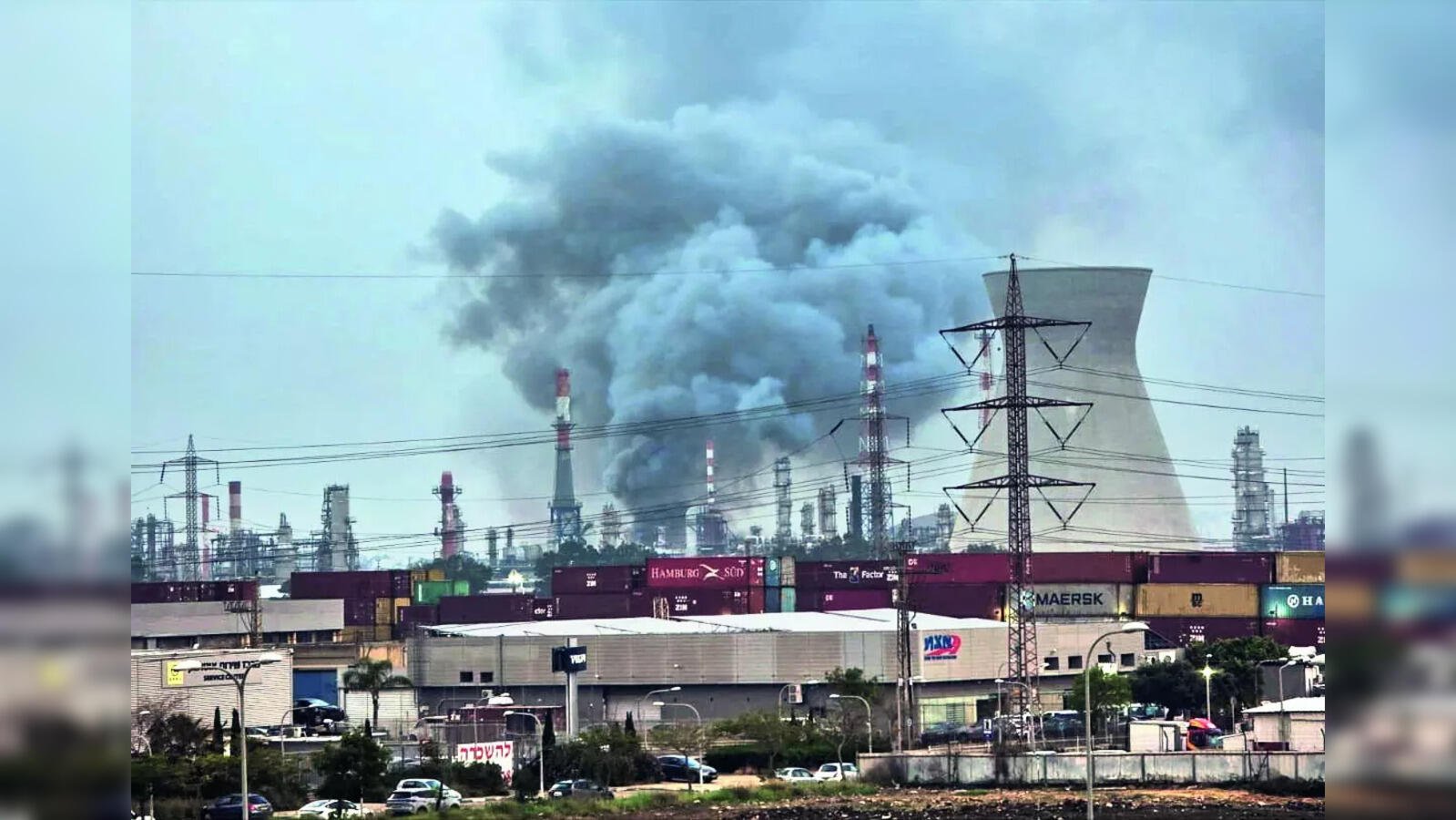
It all came to a head on February 28. Following a series of high-stakes military exchanges between Iran, the U.S., and Israel, the situation skipped several steps on the escalation ladder. Unlike the “tanker wars” of decades past, this conflict has been defined by 2026-era technology: swarms of precision drones and cyber-kinetic strikes that have crippled infrastructure on both sides of the Persian Gulf.
When Iran moved to effectively shut the Strait of Hormuz, it wasn’t just a political statement. It was a physical blockade of nearly 20 million barrels of oil per day. The International Energy Agency didn’t mince words, calling it the single largest supply disruption in modern history.
Key Details and Developments
The fallout was almost instantaneous. Here is what the situation looks like on the water right now:
-
Ghost Towns at Sea: Tracking data shows that commercial traffic through the Strait has slowed to a trickle. It’s not just about the physical danger; on March 5, major insurers pulled “war risk” coverage for the region. Without insurance, a $200 million tanker simply doesn’t move.
-
The Overflow Problem: Neighbors like Saudi Arabia and the UAE are in a bizarre predicament. They have the oil, but nowhere to put it. Since they can’t ship it out, their storage tanks are hitting “tank-top” capacity, forcing them to actually shut in production.
-
The Dark Fleet: Interestingly, some Iranian crude is still leaking out. Using “dark fleet” tankers that flip off their transponders and engage in risky mid-sea transfers, a small stream of oil is still reaching thirsty markets, albeit at a massive “risk premium.”
-
Diplomatic Whiplash: Traders are glued to their screens every time a rumor of a “15-point peace plan” leaks from D.C. Prices briefly dipped to $115 last week on such a rumor, only to bounce right back when the rhetoric sharpened again.
Why This Matters to You?
If you feel like everything is getting more expensive, you’re right. This isn’t just a “car problem.” Petroleum is the literal base of our modern world. In India, fuel prices have jumped so sharply that we’re seeing “panic buying” in cities like Mumbai and Ahmedabad. In Europe, the fear is shifting toward the next winter, with gas storage levels looking dangerously low.
The hidden sting, however, is in agriculture. The cost of petroleum-based fertilizers has surged by 30% in just three weeks. For farmers preparing for the 2026 planting season, this means either higher food prices for us later this year or lower crop yields. Neither option is good.
Expert Insight: The End of Geographic Certainty
For years, the market operated on the “safe Gulf” assumption. The idea was that no matter the politics, the oil would always flow because everyone needed the money. 2026 has officially killed that theory.
“We are seeing a total divorce from the old rules of energy security,” says one veteran market strategist. We are now seeing a “bifurcation” of the market:
-
Scrambling for Alternatives: Countries are desperately looking toward the Atlantic—Guyana, Brazil, and the U.S. Permian Basin—to fill the gap.
-
The EV Tipping Point: It’s a bit of an irony, but the Iran conflict might be the biggest salesman the electric vehicle industry ever had. When it costs $160 to fill a SUV but only $75 worth of electricity to power an EV for the same distance, the “green transition” becomes a “wallet transition.”
What Happens Next: The Long Road Ahead
All eyes are on the upcoming April diplomatic summit. If the Strait remains blocked through next month, we might hit “demand destruction.” That’s the point where oil is so expensive that people simply stop driving, factories stop running, and the global economy enters a forced hibernation.
There is a potential “out.” The U.S. has hinted at a temporary sanctions waiver to allow the release of “floating storage”—millions of barrels of Iranian oil currently sitting on tankers in the Indian Ocean. If that oil is allowed to hit the market, we could see a $15 price drop overnight.
Conclusion: A New Energy Era
The Iran conflict of 2026 will likely be remembered as the moment the world realized it couldn’t afford to have its energy heart tied to a single, vulnerable chokepoint. While the immediate focus is on ending the military standoff, the long-term trend is clear: nations are racing to diversify their energy diets to ensure they are never this vulnerable again.
About The Author